News
AAU educates the next generation of AI experts

News
AAU educates the next generation of AI experts
AAU educates the next generation of AI experts
News
News
By Trine Jensen, AAU Communication & Public Affairs
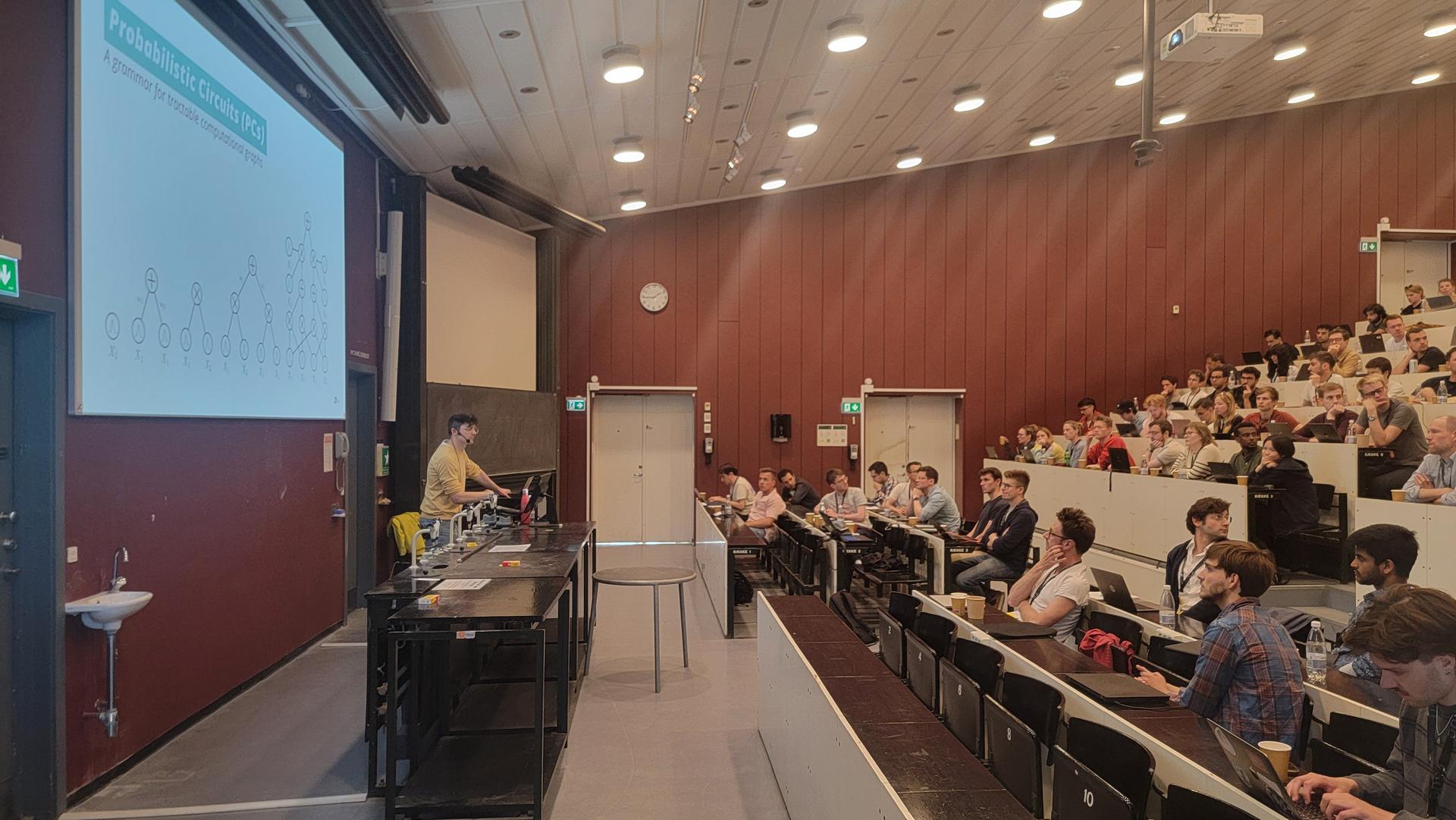
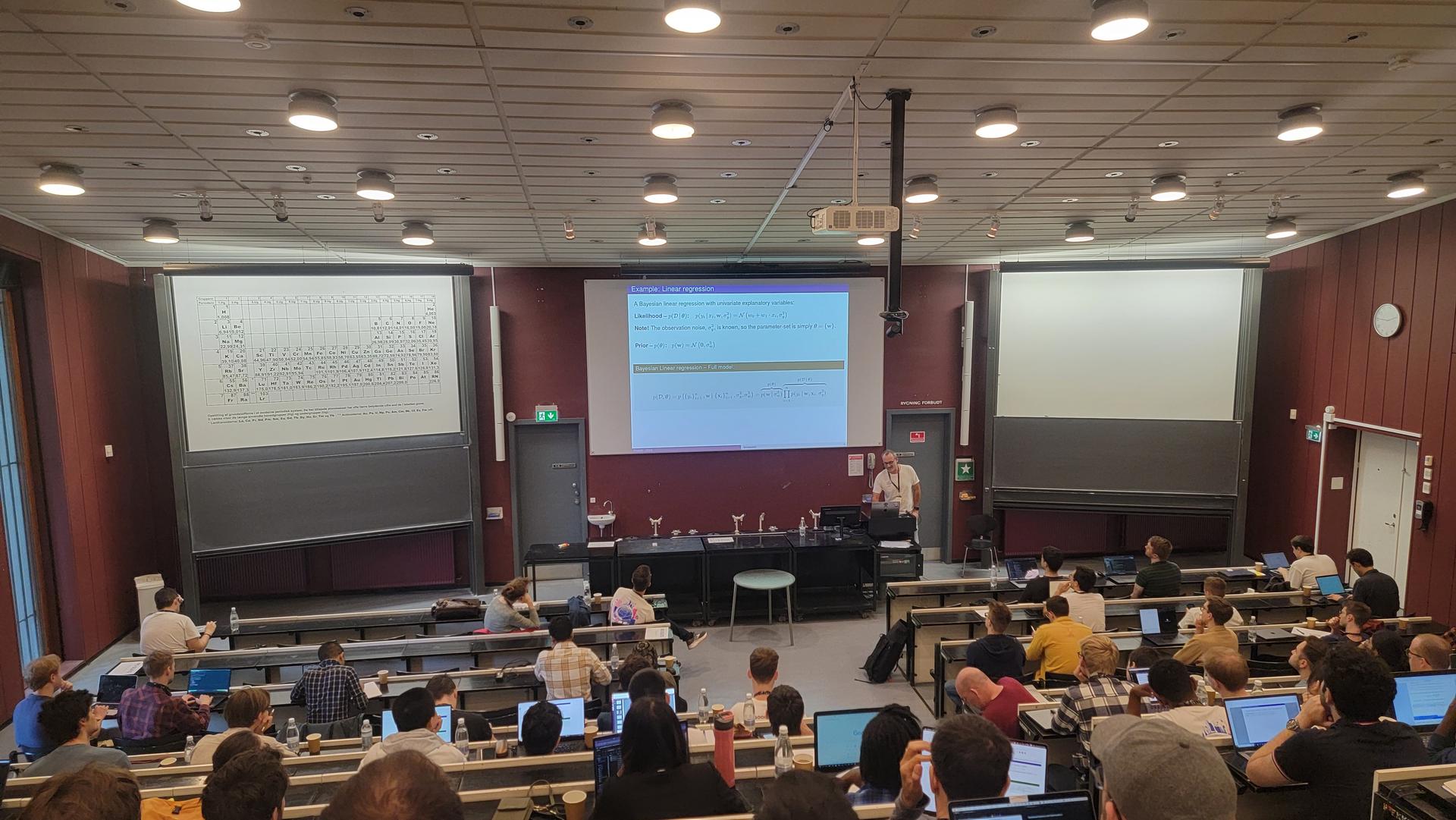
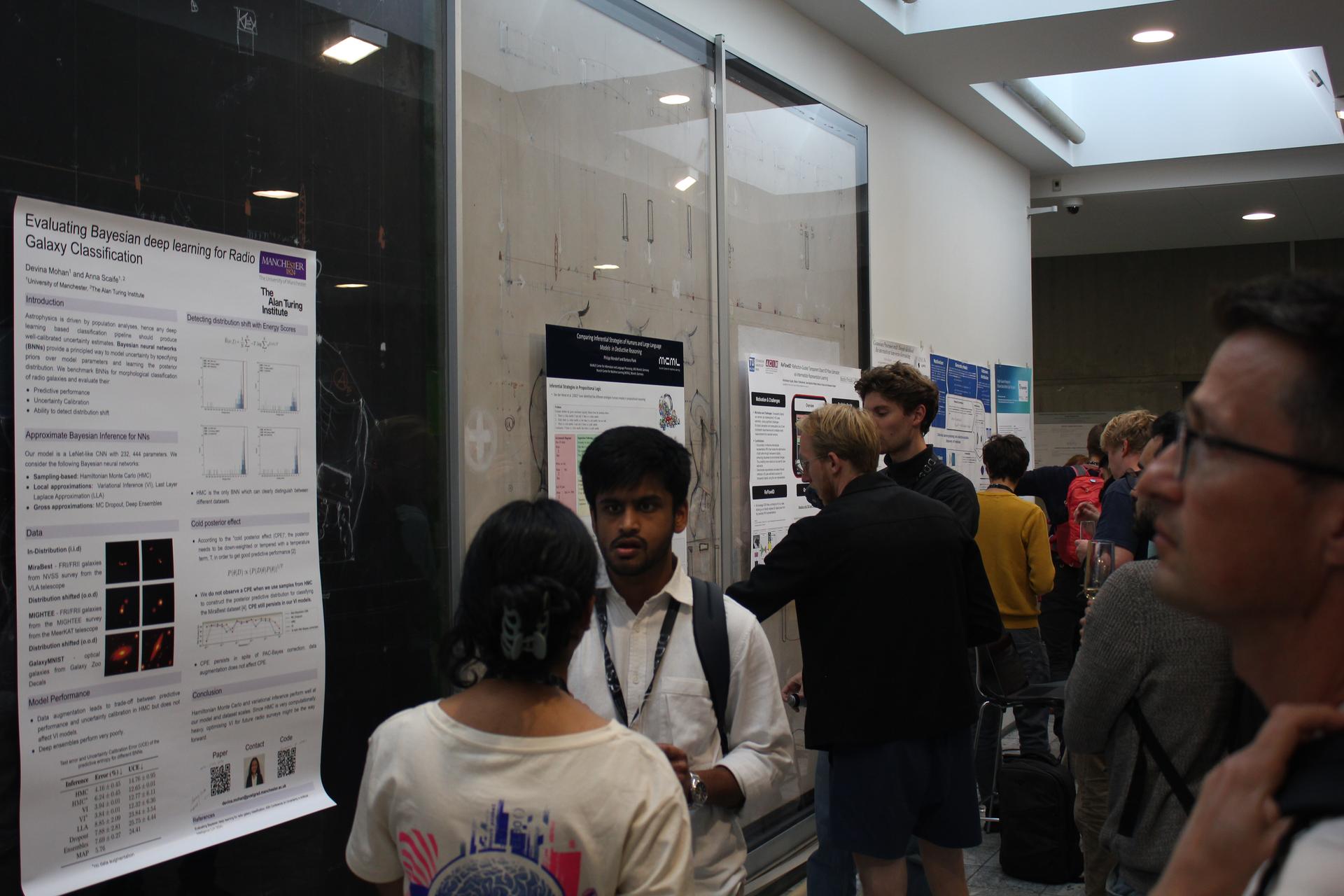
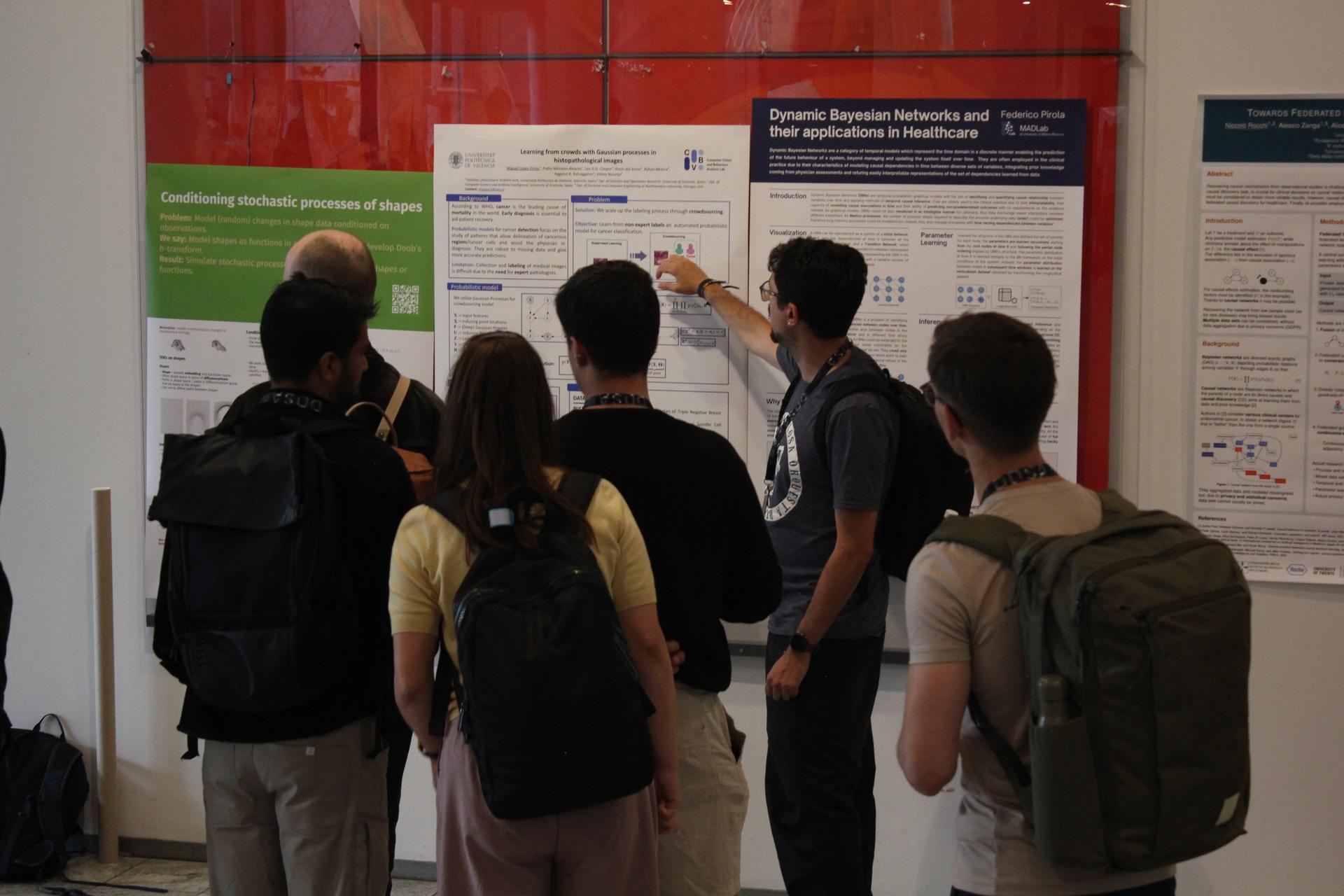
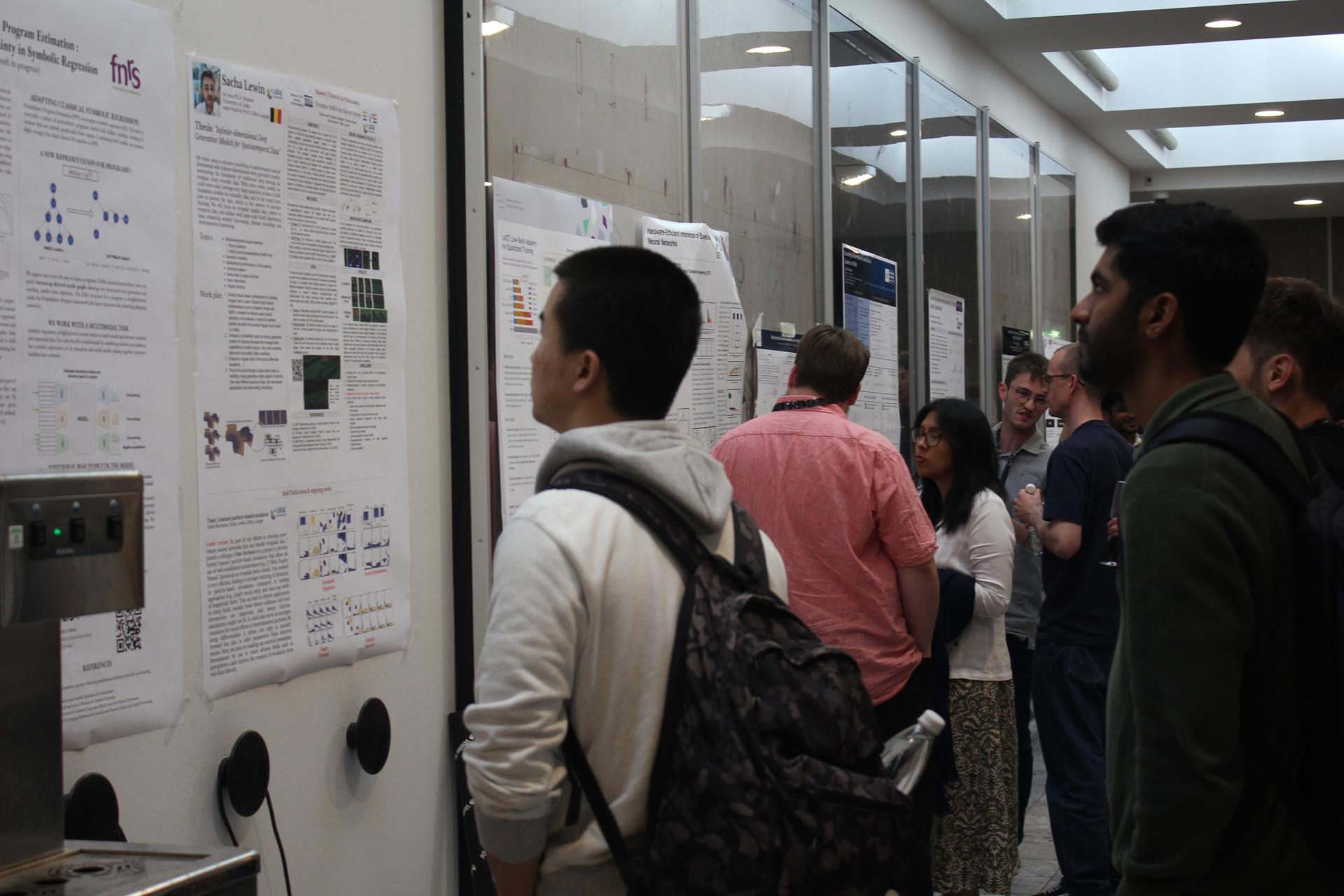
The Nordic Probabilistic AI Summer School 2024 has just been held in Copenhagen. It was organized by Andres Masegosa and Thomas Dyhre Nielsen from Computer Science, AAU with the support of the Pioneer Center for Artificial Intelligence (P1) and the Norwegian Open AI Lab. The school has been funded by Pioneer Center for Artificial Intelligence (P1), the Danish Data Science Academy and the Carlsberg Foundation.
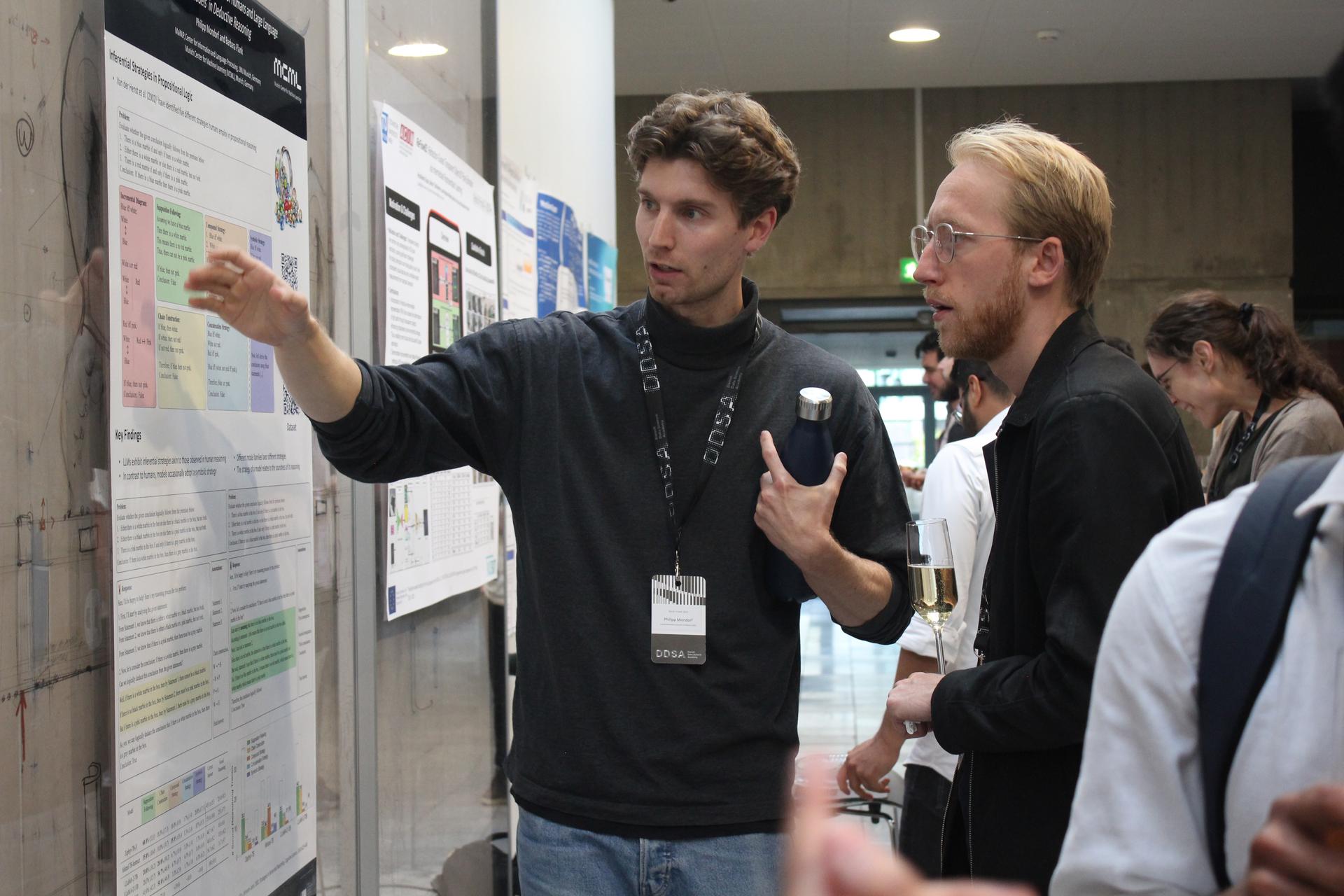
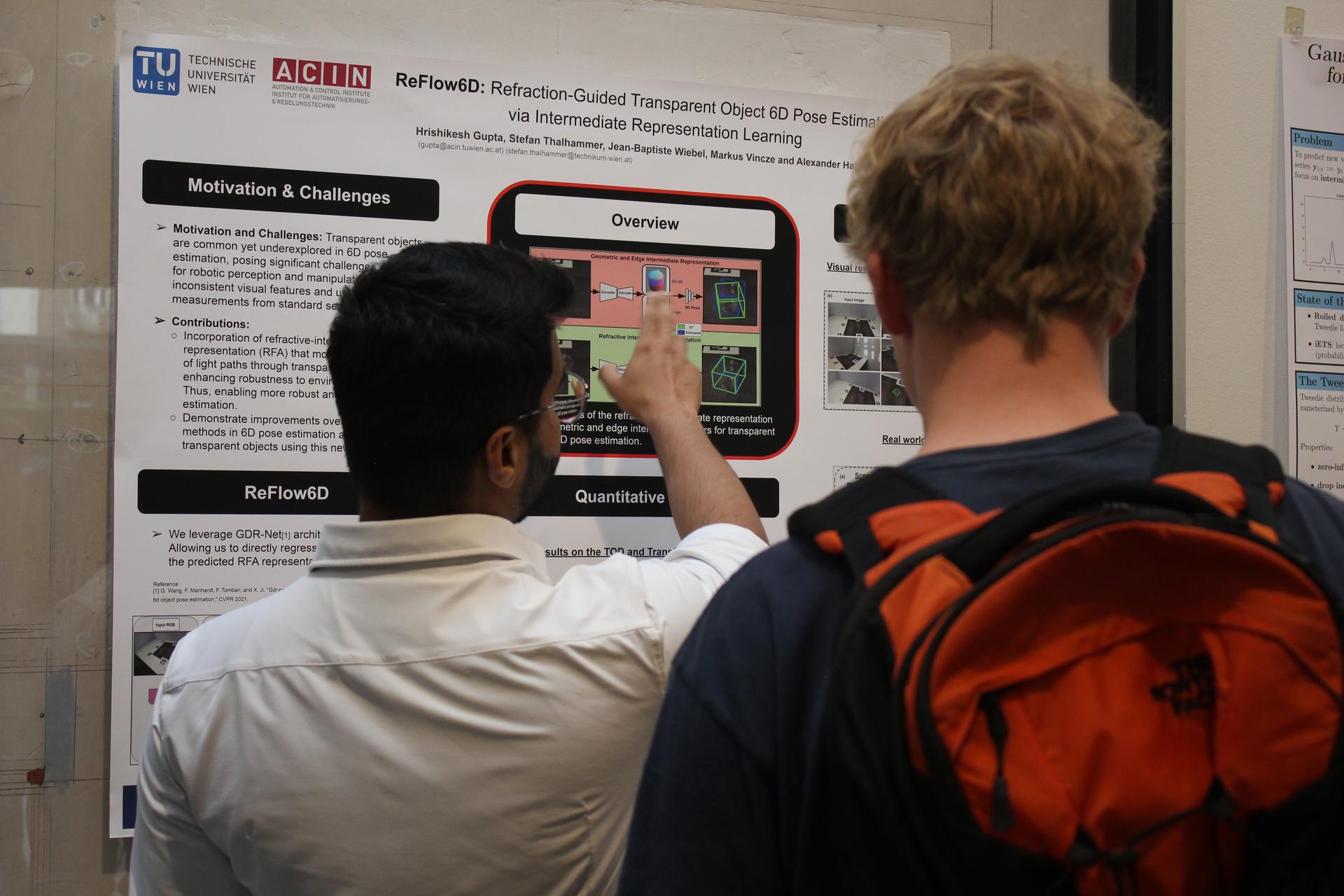
More than 150 participants were selected out of 800 applications to attend the summer school, which focused on topics such as Probabilistic Modeling, Variational Inference, Probabilistic Programming and Deep Generative Models.
The aim of the summer schools is to provide an inclusive educative environment for educating the next generation of AI experts on state-of-the-art methods in probabilistic artificial intelligence (ProbAI). The summer school is focused on PhD students, but academics and people from industry are also participating.
- Inclusiveness and diversity are a primary concern. As part of this effort, we have fully funded 7 students to attend this summer school. These students come from underrepresented groups which cannot afford to attend this kind of events due to the limited financial opportunities in their hosting institutions. This year, we have funded 7 students coming from Nigeria, South Africa, Ghana and Peru, says Andres Masegosa from Computer Science, AAU and director of Nordic ProbAI – 2024.
Probabilistic artificial intelligence (AI) is a way for computers to make decisions even when they do not have all the information. A probabilistic AI system integrates randomness and uncertainty into its decision-making processes. This means that the AI system might produce different outputs even though it is given the same input. Typically, the output represents probabilities that are calculated from the input data.
- Imagine trying to predict tomorrow's weather; you might not know everything about the current weather conditions everywhere, but you can make an educated guess based on patterns and data you do have. Probabilistic AI works similarly, using math and statistics to estimate different possibilities and their likelihoods, explains Andres Masegosa.
This helps AI to deal with uncertainty and make smarter decisions, like suggesting what you might want to watch next on TV or helping doctors diagnose diseases by analyzing symptoms and test results that aren't always clear-cut. It is like giving AI a way to think about what might happen, rather than just what definitely will, allowing it to handle complex, real-world situations more effectively.
Probabilistic artificial intelligence is crucial for building trustworthy and reliable AI applications because it incorporates the concept of uncertainty directly into its decision-making processes. By quantifying uncertainty and providing predictions with associated confidence levels, it allows for a more transparent and cautious approach to AI. This ability to estimate the reliability of its own decisions enables the AI to identify when a prediction or decision is too uncertain and potentially risky. In such cases, the AI can defer these decisions to humans, effectively involving them in the loop.
- This collaborative approach, where the AI acts more as an advisor providing probabilities and recommendations rather than making absolute decisions, fosters greater trust among users. It ensures that critical decisions, especially those with high stakes or complexity, can benefit from human oversight and judgment, combining the strengths of both human knowledge and machine-based decisions to achieve more robust and cautious outcomes, says Andres Masegosa.
It is essential to educate more specialists in trustworthy and reliable AI systems for ensuring the safe deployment of AI technologies. These specialists are key in developing systems that incorporate probabilistic AI, allowing for an in-depth understanding of uncertainties and variabilities in AI predictions.
- By understanding and applying these principles, specialists can create AI systems that transparently communicate their confidence levels and effectively identify when to defer decisions to humans. This focus on the accurate assessment of risks and limitations enhances the safety, trustworthiness, and reliability of AI applications. Training more experts in these aspects is crucial as AI increasingly integrates into sectors such as healthcare, transportation, and security, where reliability and the ability to mitigate risks are becoming increasingly relevant, explains Andres Masegosa.