News
AAU researcher wants to protect our privacy with a small box
Published online: 14.11.2025
News
AAU researcher wants to protect our privacy with a small box
Published online: 14.11.2025
AAU researcher aims to safeguard our private data with small device
News
Published online: 14.11.2025
News
Published online: 14.11.2025
By Peter Witten, AAU Communication and Public Affairs
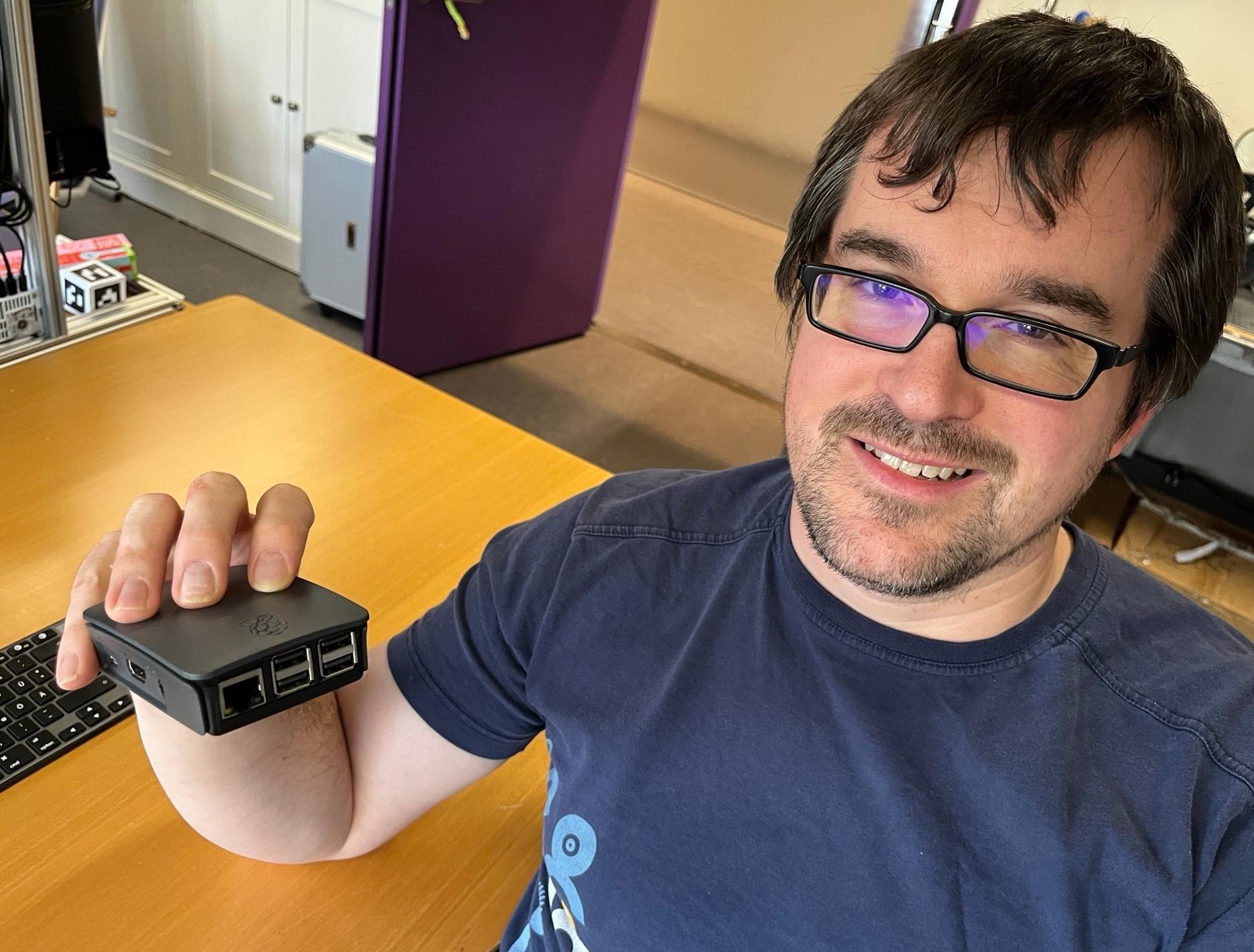
It's no bigger than the palm of your hand.
But this small box is designed to protect our private data from ending up with giant tech companies like Google, Microsoft, Meta, and Apple.
That's the ambition of Associate Professor Florian Echtler from Department of Computer Science, AAU.
He is launching a research project that will make it possible for ordinary citizens to store personal data - such as emails, messages, and photos - on a mini-server in their own home, instead of everything ending up with tech giants when we use their services.
"People are starting to realize that it might not be the best idea to hand over all our data to a few large American companies," says Florian Echtler, adding:
"We want to give everyday users the ability to take back control."
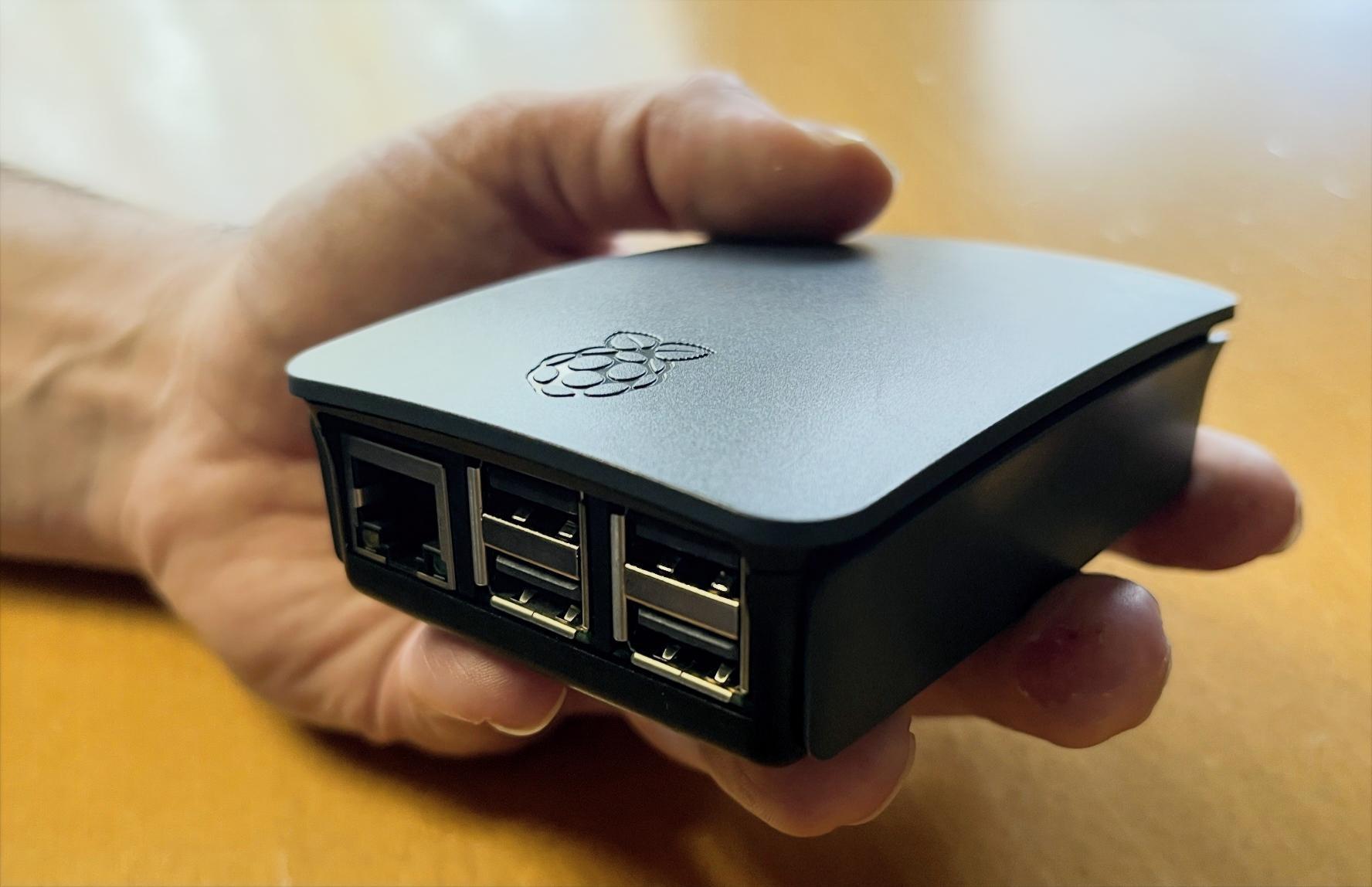
The small box, a so-called nanoserver, will connect to the home network and function as a local server where the user’s data is stored and processed locally without being sent to external cloud platforms. The box should be easy to use for regular PC users, thanks to user-friendly software.
The goal is for the box to replace many of the services currently provided by tech giants - without users losing access to social networks and similar platforms.
There are already decentralized solutions for home data storage, but they are complicated to use. They require significant technical knowledge and time to set up. Florian Echtler’s project aims to make the technology simple and user-friendly for everyone.
The research project "Digital Self-Determination through Federated Nanoservers" is expected to start in the second quarter of 2026 and will run for three years. The research team consists of Associate Professor Florian Echtler, a future PhD student, and possibly a student programmer. Together, they will develop, test, and refine the technology so it works in ordinary homes.
"It's about creating alternatives that respect our right to privacy and control over our own information,” emphasizes Florian Echtler.
In the long term, the project could impact how we use the internet. Instead of sending our photos and information to servers abroad, we will have the option to actively choose what data we share- and with whom.
Our emails, pictures, and messages will no longer sit on a server in the U.S., but in a small box in our own home.
Initially, the research team will develop a user-friendly interface for the mini-server - software that is easy to use. The plan is for it to be open source - free to use - and for manufacturers to later adopt the software in mini-servers that can be purchased by ordinary users.
The Independent Research Fund Denmark/DFF has supported the project with nearly DKK 3.2 million.